quick reference
Clinical Diagnosis
- Tender, elevated, erythematous, and woody or indurated floor of mouth
- Progressive bilateral swelling of submandibular spaces and neck
- Elevated and/or protruding tongue
- Systemic symptoms including fever, chills, malaise, and generalized weakness; those with more advanced disease may also present with dyspnea, cyanosis, stridor, and mental status changes
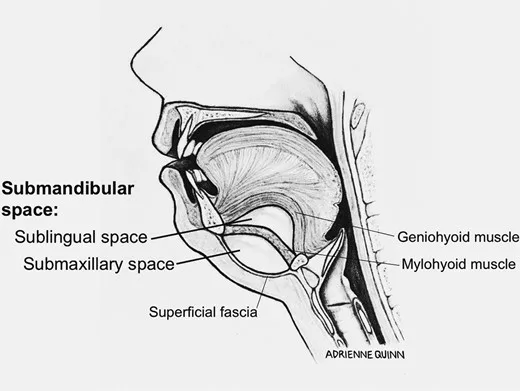
pathophysiology
Microbiology
Ludwig angina is usually polymicrobial, involving both aerobic and anaerobic oral flora.
- The most commonly isolated organisms include Staphylococcus, Streptococcus, Peptostreptococcus, Fusobacterium, Bacteroides, and Actinomyces.
- Infection with Streptococcus anginosus is associated with a more rapid disease progression than other bacteria.
- In patients with diabetes, Klebsiella pneumoniae is isolated in cultures from over half of Ludwig angina cases.
- Additionally, individuals with diabetes, those on hemodialysis, or with recent hospitalization (within 1 year) have an increased risk of infection with methicillin-resistant Staphylococcus aureus.
epidemiology / etiology
- Ludwig angina most commonly originates from dental infections involving the mandibular molars, particularly the second and third molars, which account for 90% of cases.
- Less common etiologies include oral piercings or lacerations, mandibular fractures, traumatic intubation, osteomyelitis, peritonsillar or parapharyngeal abscess, submandibular sialadenitis, and infected thyroglossal duct cysts.
clinical features
- rapidly developing neck pain
- submandibular swelling
- dysphagia
- drooling
- trismus (a late finding)
- systemic signs of infection.
Airway compromise is the most feared complication and can be fatal if not promptly recognized and managed.
diagnosis
treatment
- immediate airway assessment and protection
- broad-spectrum intravenous antibiotics targeting streptococci, staphylococci, anaerobes, and gram-negative organisms
- early surgical drainage of any abscess or necrotic tissue.