Shock Definition
- Definition: Inadequate Tissue Perfusion to Meet End-Organ Needs
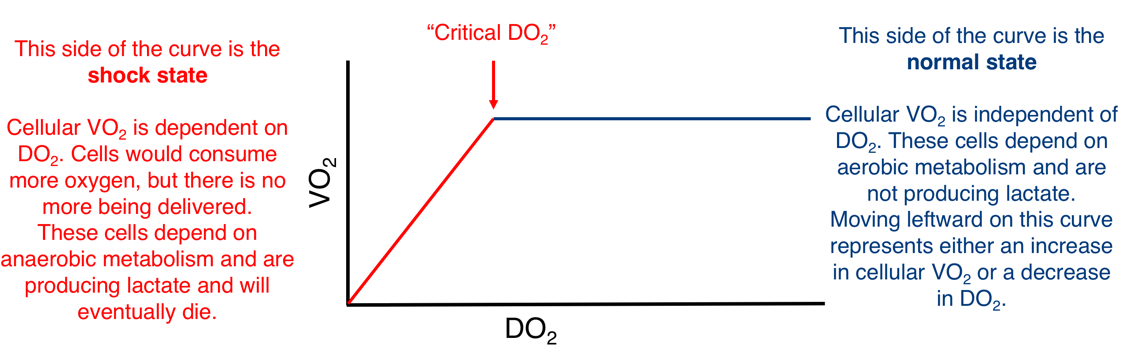
- Cellular/Tissue Hypoxia from Reduced Oxygen Delivery, Increased Oxygen Consumption, or Inadequate Oxygen Utilization
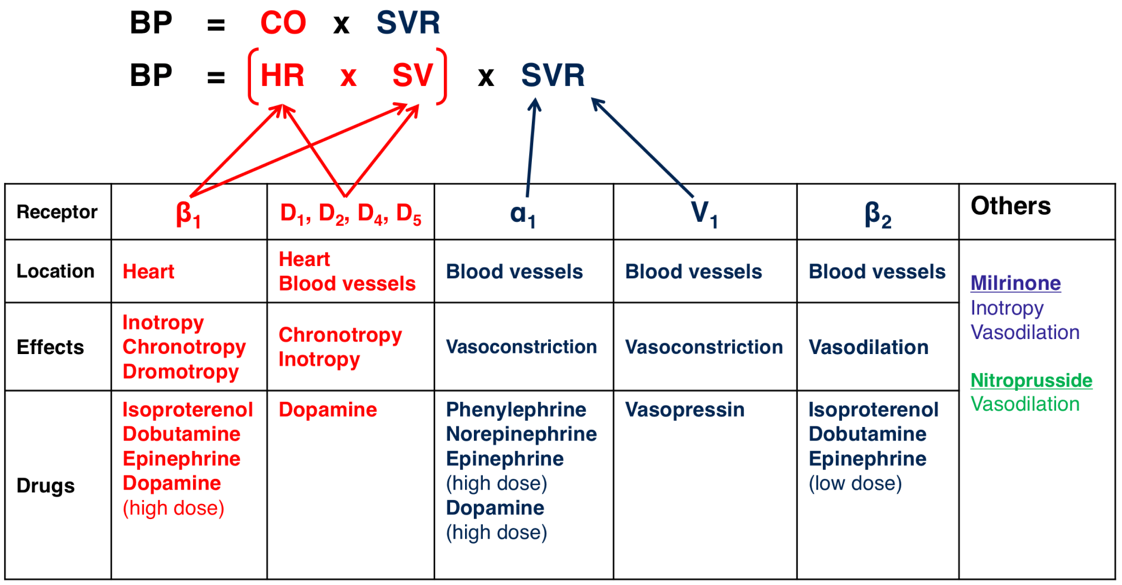
- Generally Caused by Circulatory Failure with Hypotension
- Not Based Solely on Vital Signs
- Can Present with Hypertension in Certain Cases
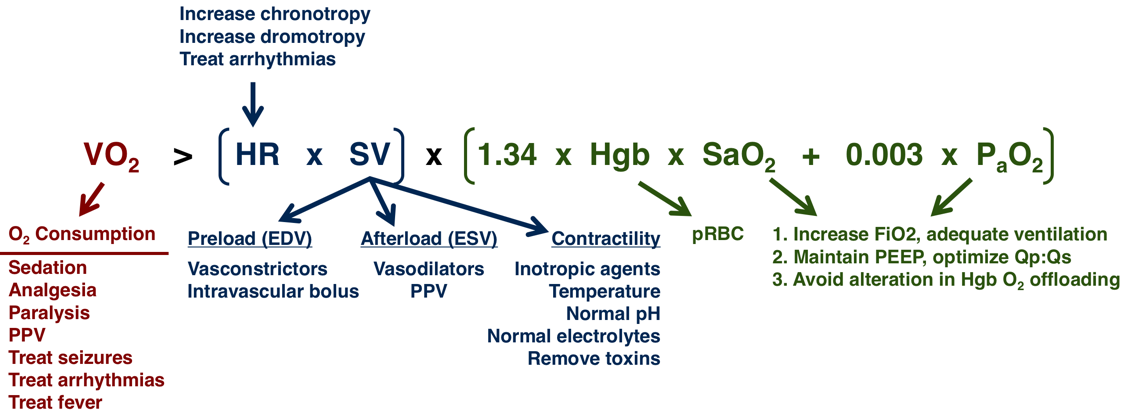
In other words: VO2 (oxygen consumption) > DO2 (oxygen delivery)

Shock Classifications
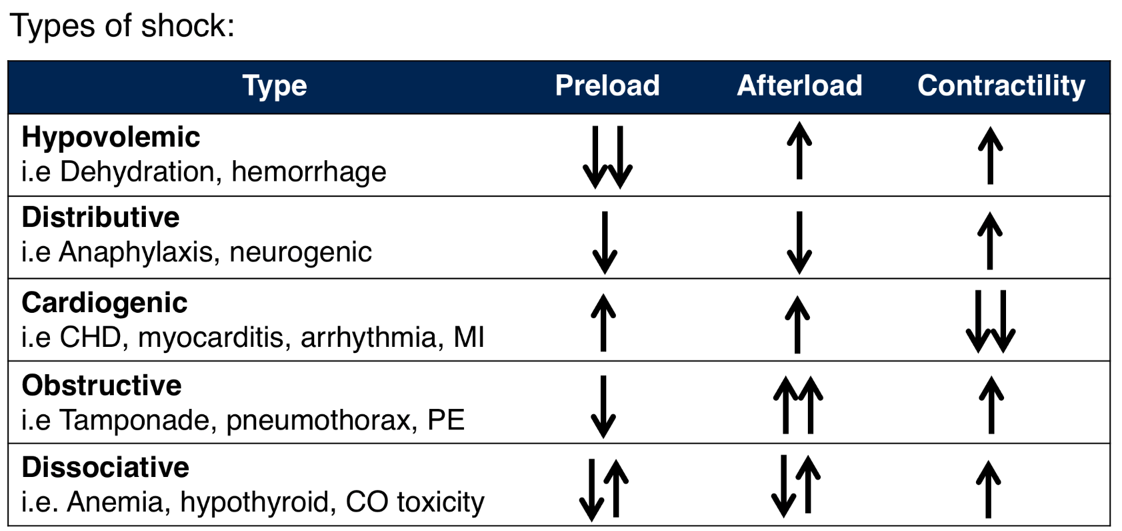
Distributive Shock: Severe Peripheral Vasodilation (50% – Most Common Cause)
- Septic Shock
- Systemic Inflammatory Response Syndrome (SIRS)
- Neurogenic Shock
- Anaphylactic Shock
- Endocrine Shock (Addisonian/Adrenal Crisis)
- Drug/Toxin-Induced Shock
Cardiogenic Shock: Cardiac Etiology Causing Reduced Cardiac Output (14%)
Hypovolemic Shock: From Reduced Intravascular Volume (31%)
- Hemorrhagic Shock
- Non-Hemorrhagic Hypovolemic Shock
Obstructive Shock: Extra-Cardiac Etiology of Cardiac Pump Failure (1%)
Mortality
- Distributive Shock: 20-50%
- Septic Shock: 40-50%
- Neurogenic Shock: 13-23%
- Endocrine Shock (Addisonian/Adrenal Crisis): 6%
- Cardiogenic Shock: 50-75% (Highest Risk)
- Hypovolemic Shock: 20-37%
Workup and Monitoring
Treatment Principles
The treatment of shock has three objectives:
- Increase DO2
- Decrease VO2
- Treat the underlying cause