quick reference
Cholecystitis
- Sx: colicky RUQ pain, steadily increasing RUQ or epigastric pain after eating fatty foods, fever
- PE: Murphy sign, Boas sign (hyperaesthesia, increased or altered sensitivity, below the right scapula)
- Diagnosis
- Initial: U/S
- Gold standard: HIDA
- Most commonly caused by obstruction by a gallstone
- Acalculous disease can occur when critically ill
- Treatment is cholecystectomy, antibiotics, and percutaneous cholecystostomy tube when critically ill or if have comorbidities and do not improve on antibiotics
Cholangitis
Infectious
(less commonly cholecystitis): Charcot’s Triad / Reynold’s Pentad
- RUQ pain
- Fever
- Jaundice
- Hypotension
- AMS
R factor score = points towards cholestatic vs. hepatocellular vs mixed injury
Autoimmune
Primary Biliary Cholangitis
pathophysiology
Chole- words are confusing
Cholecystitis
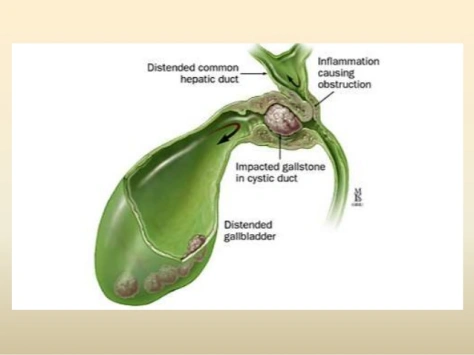
-Gallbladder inflammation caused by cystic duct blockage
- <6 hours, colicky pain = cholecystitis
- Calculous cholecystitis = most common (95%)
- pain >6hrs or stone identified on imaging
- Stone in cystic duct: cholelithiasis
- Mirizzi syndrome: stone in cystic duct obstructs hepatic duct
- Mirizzi syndrome: stone in cystic duct obstructs hepatic duct
- Stone in common bile duct: Choledocholithiasis
- Acalculous cholecystitis
Cholangitis
epidemiology / etiology
Cholecystitis signs on CT:
- Dilation (>4cm x 9cm)
- Wall thickening (>3mm)
- Pericholecystic fluid
- Fat stranding
- Gallstones
clinical features
Physical Exam
-
Pos murphy sign
-
biliary colic
-
radiate to R shoulder
-
ALP > 3xIULN
-
Elevated Tbili
-
Positive Murphy
-
Dark Urine
Double duct sign: dilation of CBD and Pancreatic duct
- Malignant until proven otherwise
- MC: Pancreatic cancer (HOP mass, ampullary tumor, cholangiocarcinoma)
diagnosis
treatment
other
About 95% of people with acute cholecystitis have gallstones. 6(https://www.ncbi.nlm.nih.gov/books/NBK459171/#) However that does not mean incidental findings of gallstone should be treated, as it is estimated that only 20% of patients with asymptomatic stones will develop symptoms within 20 years7(https://www.ncbi.nlm.nih.gov/books/NBK459171/#), and because approximately 1% of patients with asymptomatic stones develop complications of their stones before the onset of symptoms, prophylactic cholecystectomy is not warranted in asymptomatic patients.