quick reference
Definitions (Sep-3)
Sepsis is defined by the Sepsis-3 criteria as life-threatening organ dysfunction caused by a dysregulated host response to infection
Septic shock is a subset of sepsis with persistent hypotension requiring vasopressors to maintain MAP ≥65 mm Hg and serum lactate >2 mmol/L despite adequate fluid resuscitation
SIRS is No Longer Used in the Definition of Sepsis
Definition
- An Exaggerated and Proinflammatory Response to Stressors (Infection, Trauma, Surgery, Ischemia, etc.)
- Objective Criteria (≥ 2 of):
- Temperature > 38°C or < 36°C
- Heart Rate > 90 Beats per Minute
- Respiratory Rate > 20 Breaths per Minute
- Leukocyte Count > 12,000, < 4,000 or > 10% Bands
workup:
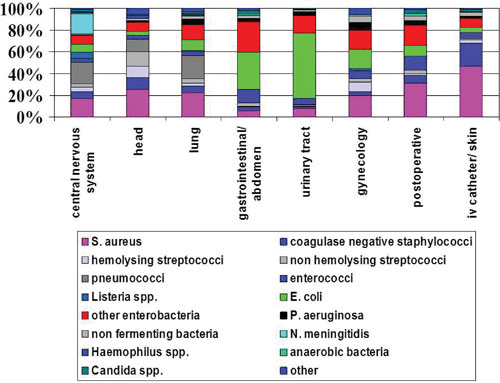
pathogens
clinical features
diagnosis
treatment
Early (<1 hr) broad spectrum antibiotics
- every hour delay increases mortality
- Consider clindamycin or linezolid prior to broad antibiotics (decrease toxin production)
Fluid Resusc (30ml/kg IBW) - SALT-ED + SMART Trial - LR wins
- Deviate for comorbidities (e.g. less fluid for CHF, etc.)
- Defend the MAP! (>65)
- cap refill, track lactate, urine output, passive leg raising trial (ETCo2 increase by 5% indicates fluid responsiveness)
- Early vasopressors (levophed)